Hidden Worlds: The Mesmerising Secrets Trapped Inside Gemstones

Discover the fascinating world of gemstone inclusions, from horsetail inclusions in Demantoid Garnets to ancient biological fossils. Unveil how imperfections in gemstones are reshaping the way we view beauty and value.
The Surprising Beauty of Gemstone Inclusions
At first glance, a gemstone may seem like nature's ultimate perfection flawless, dazzling, pure. But under the scrutiny of a microscope, something else emerges: microscopic forests, shattered rainbows, phantom crystals, and ancient fingerprints of Earth’s violent history. These are gemstone inclusions internal features once dismissed as imperfections that are now reshaping how we see beauty, value, and even time itself.

What Are Gemstone Inclusions?
Inclusions are the uninvited guests of the gem world: crystals within crystals, tiny fluid bubbles, or mineral threads trapped during a gem’s formation deep within the Earth. While the jewelry industry has long prized clarity diamonds “flawless as ice” a new generation of gemologists, collectors, and artists are revealing in the chaos within.
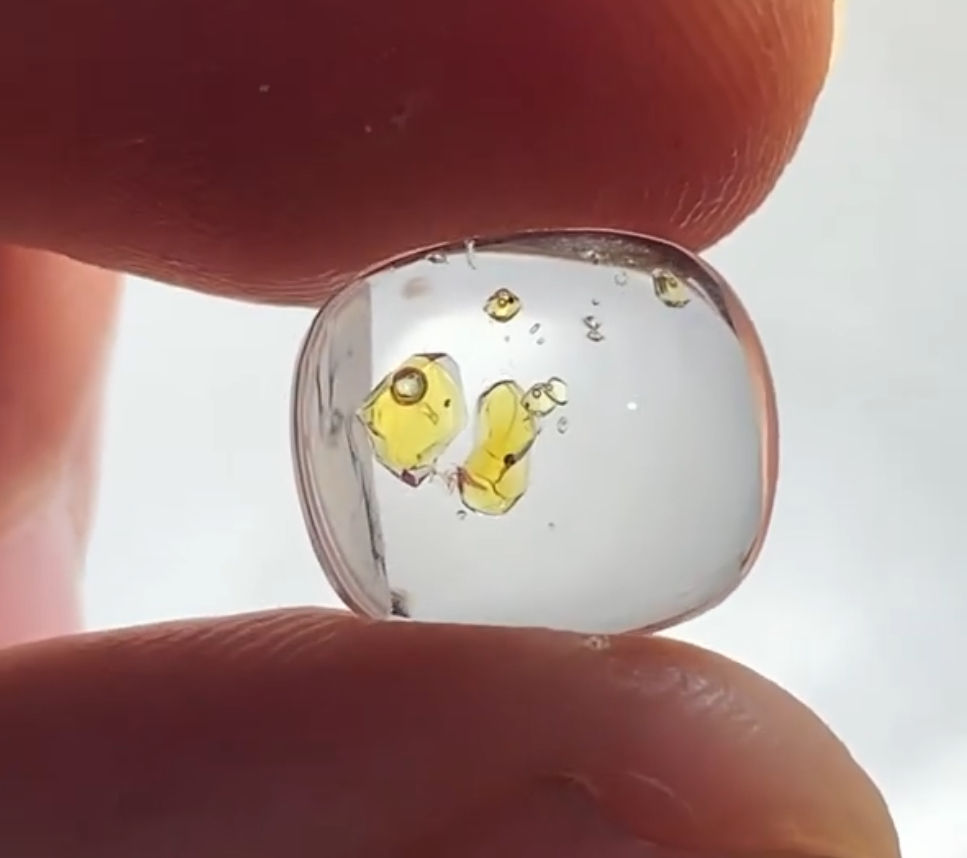
Inclusions can be billions of years old, recording the pressure, temperature, and chemistry of Earth's mantle at the moment the gemstone was born. They are not just imperfections but historical records, making each gemstone a unique, natural artefact.
Famous Gemstones with Inclusions
Take, for instance, the vibrant green emerald. Almost every emerald is riddled with inclusions, so much so that Colombians refer to them affectionately as the jardín a garden. Under magnification, emeralds bloom with feathery veils and root-like threads of pyrite, calcite, and even other tiny emeralds. Each inclusion tells a story of violent tectonic shifts, mineral intrusions, or ancient hydrothermal fluids that etched their way through stone.

Even diamonds, Earth’s hardest substance and marketing's poster child for flawlessness, are gaining new fans thanks to their flaws. Researchers have discovered tiny pockets of fluid or mineral inclusions sealed inside diamonds more than 100 miles beneath the surface. Some contain high-pressure forms of ice (ice VII) suggesting the presence of water deep within the Earth’s mantle, an insight with vast implications for planetary science.
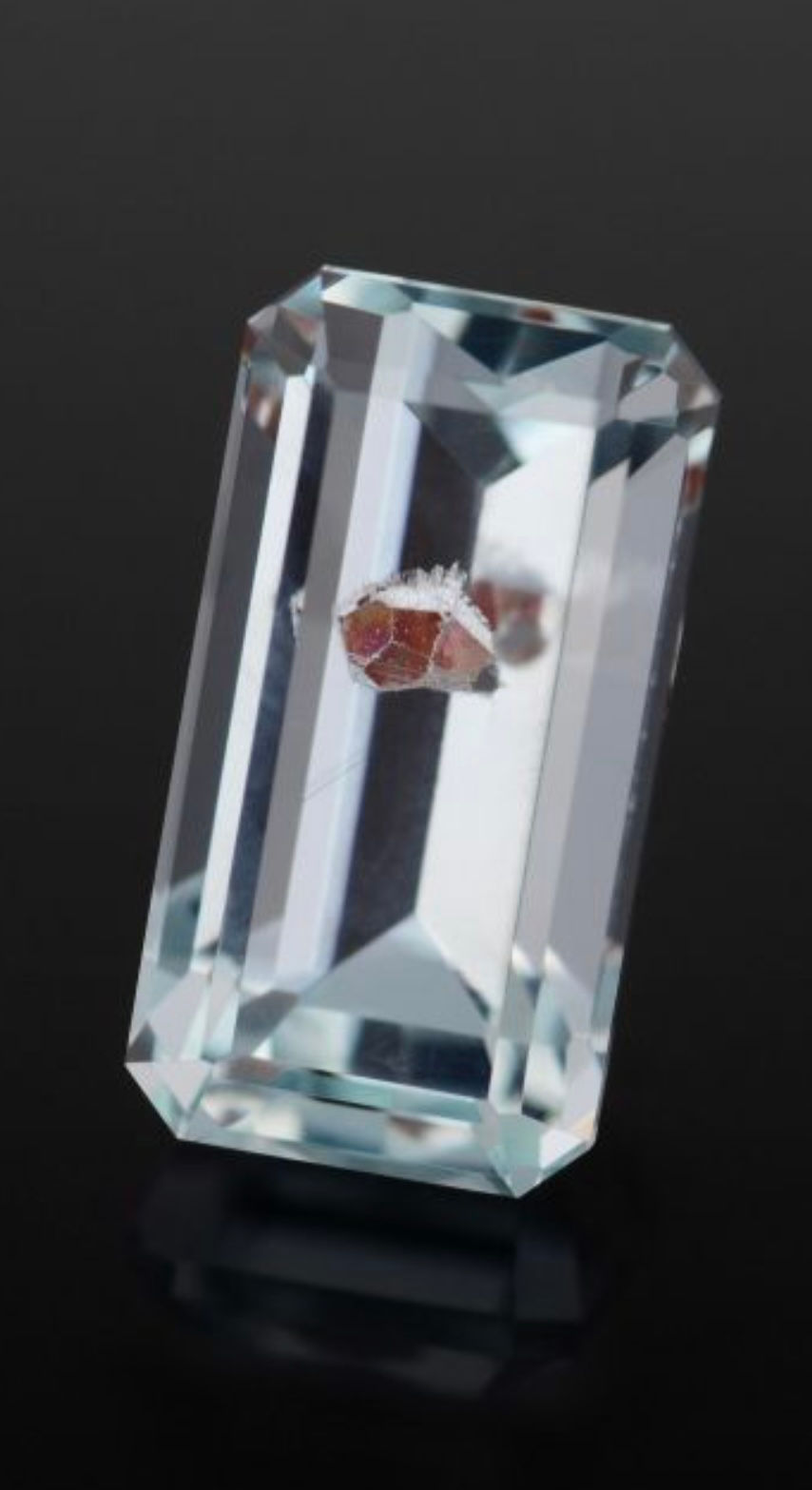
Horsetail Inclusions in Demantoid Garnets
Demantoid garnets, among the rarest and most brilliant of the garnet family, are prized not just for their vivid green colour but for a signature inclusion known as the horsetail. These fine, golden wisps of chrysotile radiate outward in graceful arcs, often curving like feathers or fountains. Rather than diminishing value, horsetail inclusions are considered proof of natural origin and are highly sought after especially in stones from Russia’s famed Ural Mountains. These horsetail inclusions are not just beautiful but tell the story of the gem's natural formation.

Biological Inclusions: Ancient Life in Amber
But inclusions aren’t just geological. Some are biological in nature. In the amber mines of Myanmar, researchers have uncovered specimens that are millions of years old, perfectly preserved in amber. These inclusions capture a snapshot of prehistoric life: the delicate remnants of ancient plants, tiny insects frozen mid flight, and even small creatures like lizards or feathers from long-extinct dinosaurs. These aren’t fossils in the traditional sense, but rather organic material preserved in tree resin, offering a rare glimpse into the past as if these creatures were caught in a moment of time, suspended for eternity.

Rosetti’s Artistic Use of Inclusions
In the design world, these tiny imperfections are becoming focal points. Rosetti, an Antwerp based jeweller, crafts rings that showcase quartz crystals with needle-like rutile inclusions often called Venus hair for their shimmering gold threads. “They remind me of meteor showers frozen in time,” the atelier notes. “They aren’t flaws. They’re the soul of the stone.”
The Value of Inclusions: Not Just Imperfections
Collectors are also beginning to value inclusions not just scientifically, but emotionally. In the high-end market, stones with distinctive inclusions especially those that look like landscapes or contain rare minerals like perovskite or apatite can fetch premium prices.
Inclusions are changing the narrative of what makes a gem valuable. It’s no longer just about clarity or colour. It’s about character.
Cultural Shift: The Authenticity of Imperfection
This shift echoes a broader cultural change: a rejection of artificial perfection in favour of authenticity. Just as people are celebrating the quirks in hand-thrown pottery or the patina of vintage leather, gemstone lovers are increasingly drawn to the organic stories trapped inside crystals.
“These are not flaws,” says a gem curator at the Smithsonian Institution. “They are the breath marks of the Earth."